.webp)


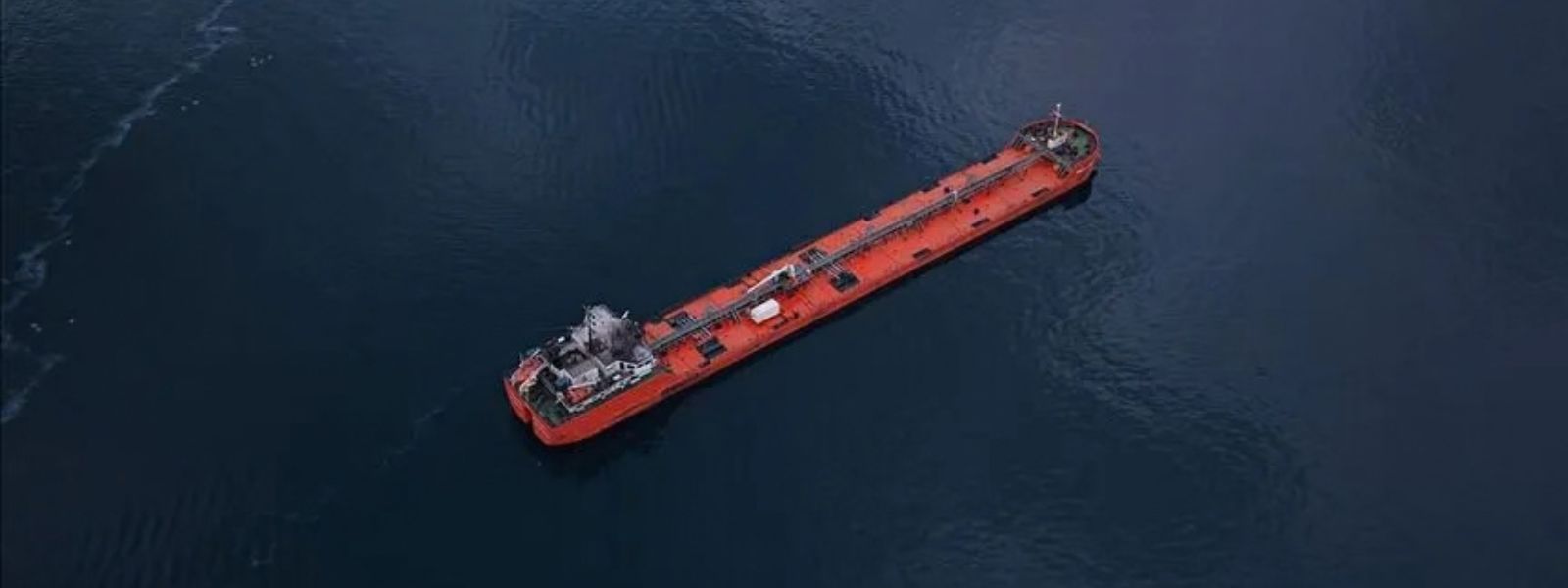
US Trains Sri Lankan Officials to Combat Maritime Sanctions Evasion in Indian Ocean



.png )
COLOMBO (News 1st); Sri Lanka's role as a critical hub in global maritime trade came into sharp focus this month as the United States partnered with Sri Lankan authorities to strengthen the country's ability to detect and respond to illicit shipping activities and sanctions-evasion networks operating across international waters.
The U.S. Embassy in Sri Lanka, through the U.S. Department of State's Office of Cooperative Threat Reduction and in partnership with the Atlantic Council, conducted a three-day training programme in Colombo aimed at enhancing Sri Lanka's maritime security capabilities and protecting legitimate international commerce.
More than 40 officials representing the Sri Lanka Atomic Energy Regulatory Council, Central Bank of Sri Lanka, Sri Lanka Coast Guard, Merchant Shipping Secretariat, Sri Lanka Ports Authority, Ministry of Defence, and the Sri Lanka Navy participated in the programme.
The training focused on improving the ability of authorities to identify suspicious vessels and deceptive shipping practices, assess sanctions and proliferation risks, and strengthen coordination among government agencies when potentially illegal maritime activities are detected within or near Sri Lankan waters.
Highlighting Sri Lanka's strategic importance in the Indian Ocean, U.S. Ambassador Eric Meyer said the country's location brings both enormous opportunity and significant security responsibilities.
“Sri Lanka sits at a strategic crossroads for global commerce, bringing both tremendous opportunity and the need for vigilance,” Ambassador Meyer said.
He noted that as sanctions-evasion networks increasingly exploit commercial shipping channels, the United States is working closely with Sri Lanka to help safeguard legitimate trade routes, secure crucial maritime corridors and strengthen regional security.
The programme included presentations and scenario-based tabletop exercises led by maritime security and sanctions experts from the Atlantic Council. Participants examined methods used by illicit networks to conceal their activities, including manipulation of vessel identification systems, falsified shipping documents, opaque ownership structures, ship-to-ship transfers and other deceptive techniques designed to hide a vessel's origin, ownership, cargo or destination.
Officials were also briefed on growing risks facing shipping agents, fuel suppliers and other maritime service providers that may knowingly or unknowingly support vessels operating under sanctions.
According to the U.S. Embassy, entities including brokers, fuel suppliers and cargo certification providers have previously been sanctioned for facilitating the operations of restricted vessels. Authorities warned that providing services such as fuel, provisions or logistical support to sanctioned ships could expose companies and individuals to serious legal consequences, including civil and criminal penalties under U.S. sanctions regimes.
With sanctions-evasion networks increasingly relying on complex international shipping and financial arrangements to disguise illicit operations, the United States emphasized that Sri Lanka's ability to secure its ports, maritime infrastructure and surrounding waters remains critical to maintaining confidence in global trade.
Other Articles








Featured News




News 1st, MTV Channel (Pvt) Ltd, MBC Networks (Pvt) Ltd, 45/3, Braybrooke Street, Colombo-02.
T.P : +94 114 792 700,
Fax : +94 114 792 733
T.P : +94 114 792 700,
Fax : +94 114 792 733




 |  |  |
|---|---|---|
 |  |  |
 |  |  |
 |

.gif)