


Growing HIV Cases Detected Among 15-24 Age Group in Sri Lanka



.png )
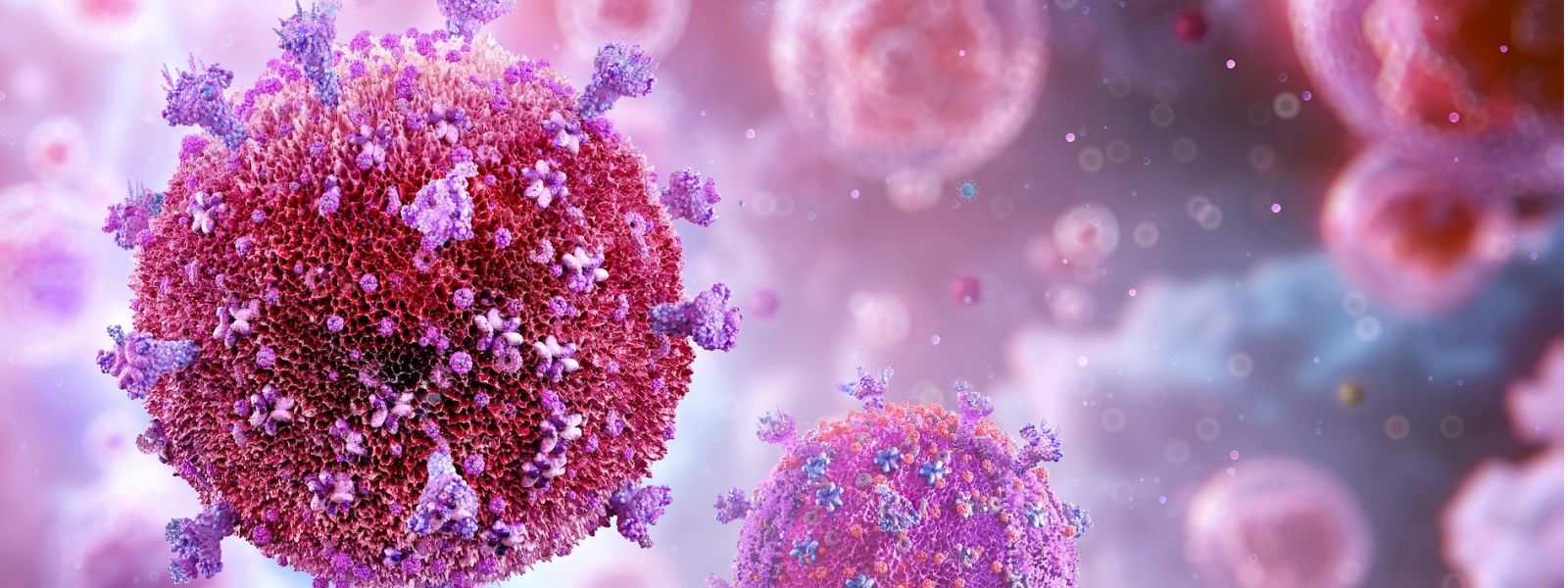
COLOMBO (News 1st); Health authorities have raised concerns over a growing number of HIV infections among young people in Sri Lanka, with data showing a steady increase in cases among those aged between 15 and 24 years.
The warning comes ahead of World AIDS Day on December 1, which will be marked this year under the theme "Unite for Services to End AIDS." Health officials highlighted the trend during a media briefing held to raise awareness about HIV prevention, testing and treatment.
Community Health Specialist Dr. Madhavi Gunathilaka of the National STD/AIDS Control Programme said the number of newly identified HIV cases has continued to rise in recent years. In 2025 alone, the national programme detected 874 new HIV infections.
According to estimates provided by UNAIDS, nearly 8,700 people were living with HIV in Sri Lanka in 2025. Of that number, around 87 percent were men.
Dr. Gunathilaka said a review of data dating back to 2010 showed a gradual but consistent increase in HIV infections among the 15-24 age group, a trend health authorities are closely monitoring.
Health experts stressed that HIV is no longer considered a death sentence when diagnosed early and treated properly. Specialist Dr. Vinu Dharmakulasinghe noted that effective treatment is freely available through government sexual health clinics and public hospitals across the country.
Dr. Vinu Dharmakulasinghe urged people not to delay testing, pointing out that individuals can undergo confidential HIV screening through government healthcare facilities. Dr. Vinu Dharmakulasinghe also highlighted the know4sure.lk platform, which allows users to assess their risk, schedule appointments at nearby sexual health clinics and even request self-testing kits to be delivered to their homes.
Specialist Dr. Umedha Jayasinghe said major advances in treatment have transformed the lives of people living with HIV. Modern medications are more effective, have fewer side effects and are often simplified to a single daily tablet.
She noted that newer treatments being introduced globally include long-acting injectable medicines that can be administered once every few months, reflecting rapid progress in HIV care and research.
Health authorities also reiterated the importance of prevention, including responsible sexual behaviour and limiting sexual relationships to a trusted partner. Experts said biomedical prevention strategies are playing an increasingly important role worldwide in reducing new HIV infections.
With infections among younger age groups showing an upward trend, health officials are urging the public to make use of the country's free testing and treatment services, emphasizing that early diagnosis remains one of the most effective tools in controlling the spread of HIV and ensuring healthy lives for those affected.
Other Articles









Featured News




News 1st, MTV Channel (Pvt) Ltd, MBC Networks (Pvt) Ltd, 45/3, Braybrooke Street, Colombo-02.
T.P : +94 114 792 700,
Fax : +94 114 792 733
T.P : +94 114 792 700,
Fax : +94 114 792 733




 |  |  |
|---|---|---|
 |  |  |
 |  |  |
 |

