.webp)


Sri Lanka Has “Good Space” to Absorb Oil Price Shocks



.png )
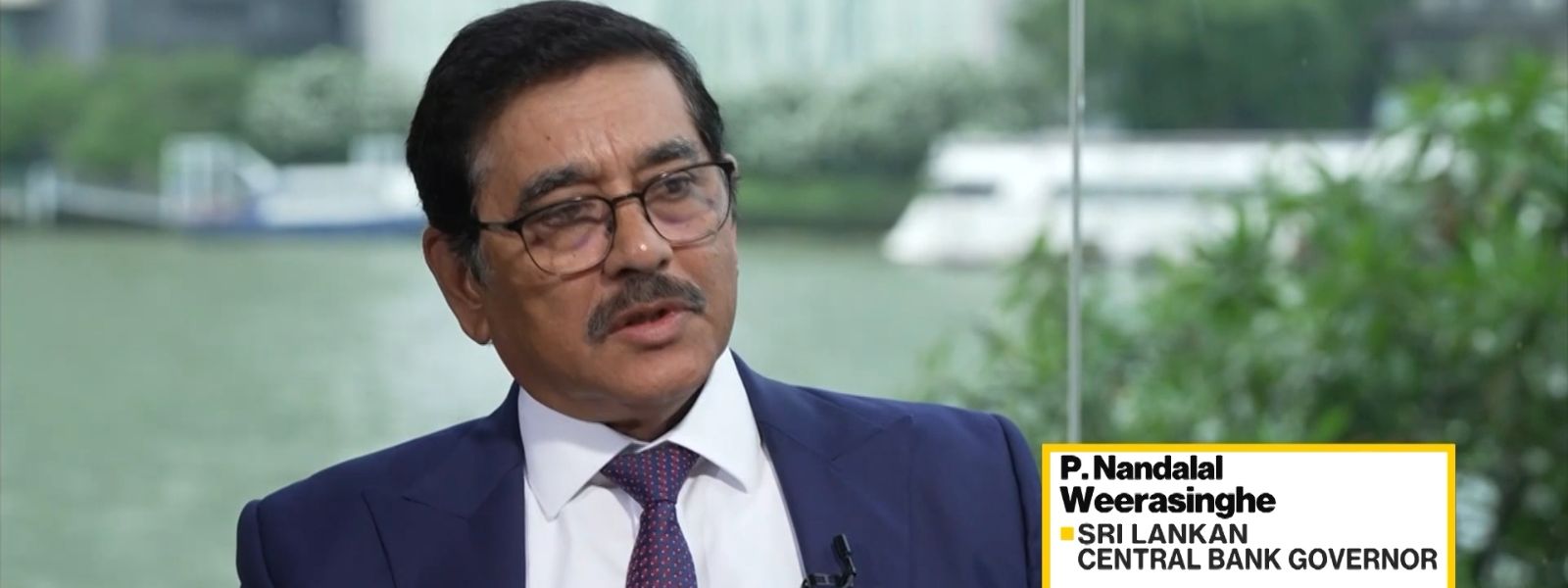
COLOMBO (News 1st): Sri Lanka is better positioned to absorb global oil price shocks than it was during the crisis years, Central Bank Governor Dr. P. Nandalal Weerasinghe said, highlighting the country’s strengthened external buffers and improved inflation environment.
He noted that as an oil-importing nation, Sri Lanka remains vulnerable to rising petroleum prices, which can impact inflation and the balance of payments. However, he pointed out that Sri Lanka’s current inflation is 1.6%, well below the Central Bank’s 5% target, giving the country “significant good space” to manage external price shocks.
Dr. Weerasinghe said the situation is far better than during the crisis period, when inflation soared to 70%, adding that with today’s low inflation and increased resilience “we are well prepared compared where we were in the past.”
He also stressed that Sri Lanka has built strong external reserves, rising from near-zero levels during the crisis to over USD 7 billion, creating a buffer for the external sector.
He explained that the exchange rate acts as the shock absorber in an inflation-targeting framework, helping the economy respond to sudden external pressures.
He acknowledged that prolonged shocks could still slow economic growth, but said the country is “well prepared this time than earlier.”
When asked how long Sri Lanka’s buffers could last if the Iran conflict continues beyond a few weeks, Dr. Weerasinghe said this remains a major concern for Sri Lanka and the region. He warned that a prolonged conflict could disrupt petroleum markets, tourism, trade, and global supply chains, posing serious risks to the global and domestic economy.
He emphasised that countries involved in the conflict are likely aware of the adverse long-term consequences of an extended confrontation. Sri Lanka, he said, must be prepared for any outcome by building monetary, fiscal, and external buffers to navigate potential global shocks.
The governor made this statement in an exclusive with Bloomberg on the sidelines of 'IMF Conference; Asia 2050' with Haslinda Amin.
Other Articles
-855570_550x300.jpg)
-855564_550x300.jpg)







Featured News




News 1st, MTV Channel (Pvt) Ltd, MBC Networks (Pvt) Ltd, 45/3, Braybrooke Street, Colombo-02.
T.P : +94 114 792 700,
Fax : +94 114 792 733
T.P : +94 114 792 700,
Fax : +94 114 792 733




 |  |  |
|---|---|---|
 |  |  |
 |  |  |
 |

.gif)