.webp)


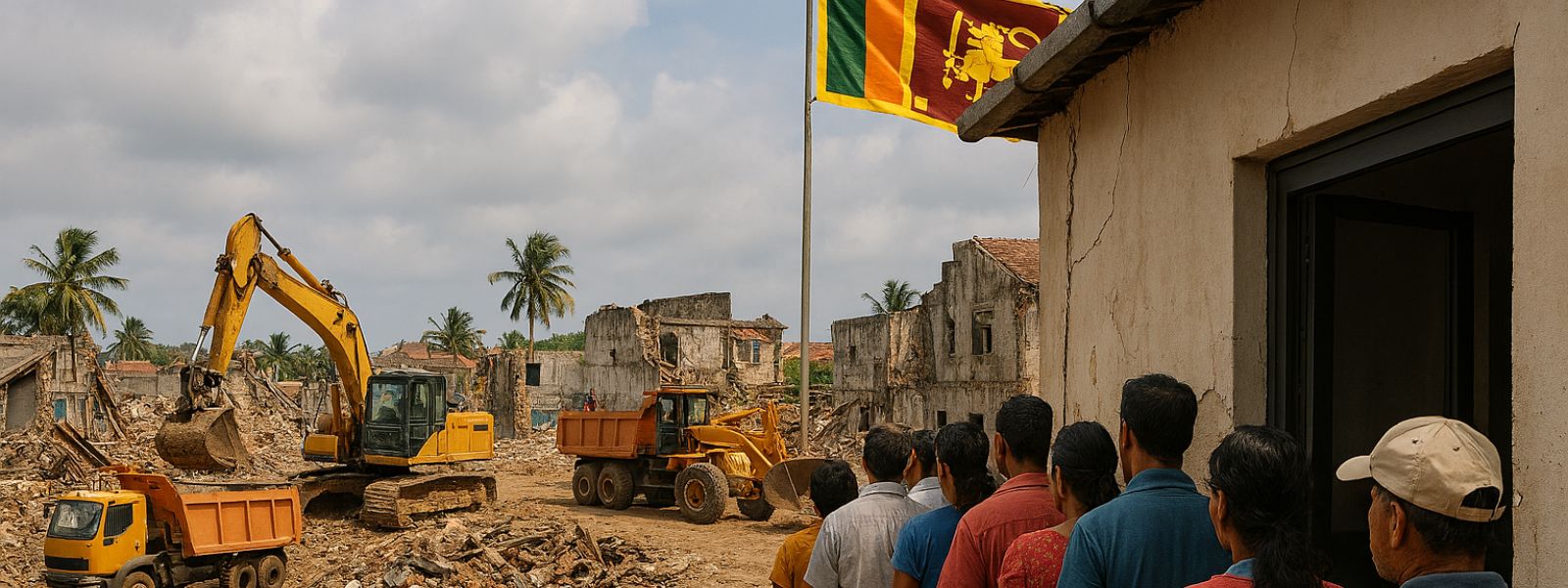
Cash To Rebuild, Cash To Restart: How Rupees Turn Into Jobs, Food, and Homes In Sri Lanka



.png )
COLOMBO (News 1st); President Anura Kumara Dissanayake has signalled a large, near‑term injection of cash into households, farms, small businesses and reconstruction—designed to stabilize demand, restart production, and speed rebuilding after Cyclone Ditwah.
The Treasury’s Budget Circular No. 08/2025 sets out a multi‑channel empowerment program that moves money quickly to those who spend it fastest, while complementary multilateral financing amplifies the impact. [treasury.gov.lk]
What the cash looks like—and why it matters
1) Immediate household spending:
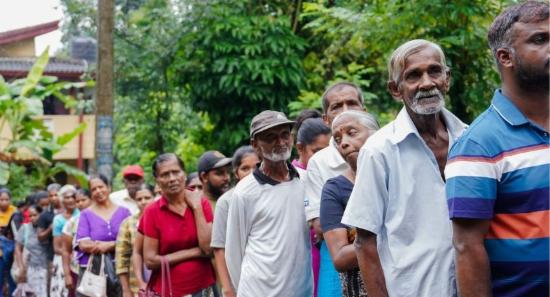
Rs. 25,000 per housing unit to clean and safely resettle; Rs. 50,000 per housing unit to buy essential kitchen items—both paid regardless of ownership. These transfers put cash directly into local hardware, cleaning, food and utensil markets, boosting demand in the places hit hardest. [treasury.gov.lk]
Monthly allowances for three months (Dec 2025–Feb 2026): Rs. 25,000 for households with ≤2 members, Rs. 50,000 for >2 members, targeted at families that lost homes or livelihoods. This stabilizes consumption (rent, food, transport), preventing a collapse in local retail and services.
Rent support of Rs. 25,000 per month for up to six months for households that must relocate, channelling liquidity to the rental market and easing pressure on shelters.
Rs. 15,000 per school child for books and clothing maintains education continuity while supporting bookstores, uniforms, and small retailers.
Why this infuses the economy: low‑ and middle‑income families have high propensities to consume; each rupee paid out recirculates quickly through neighbourhood shops, transport, and services, sustaining local cashflows during recovery.
2) Rebuilding homes & assets
Up to Rs. 2.5 million to repair partially damaged houses; Rs. 5 million per unit to build new homes where houses are fully destroyed. These lines immediately spark demand for bricks, cement, steel, timber, fixtures, and skilled labour, creating months of paid work.
Where state land isn’t available, families may receive up to Rs. 5 million to purchase land—unlocking stalled rebuilding and activating real‑estate transactions.
Rs. 1 million to the closest relative for loss of life (or to the person for complete disability) acts as income protection, preventing distress sales and supporting dignified recovery spending.
Why this infuses the economy: construction is labour‑intensive; every grant mobilizes masons, carpenters, transporters, and suppliers, distributing wages across districts and pulling idle capacity back to work.
3) Restarting production
Agriculture: Rs. 150,000 per hectare for paddy/grains/maize/field crops; Rs. 200,000 per hectare for vegetables—to replant and repair damaged plots. Inputs (seed, fertilizer, fuel), logistics, and rural labour receive cash immediately, while future supply helps temper food‑price spikes.
Livestock: Rs. 200,000 per registered farm owner to restart herds and facilities, supporting feed suppliers, vets, and transport.
Fisheries: Compensation up to Rs. 400,000 per boat for disaster‑affected vessels—paying local boatyards, engine repairers, and gear suppliers; restoring coastal livelihoods and protein supply.
Micro & small enterprises: Rs. 200,000 per unit to bring individual, small, and micro businesses back to operating condition—keeping staff employed, restarting inventories, and re‑opening neighbourhood services.
Business buildings: Compensation up to Rs. 5 million per unit (based on damage assessment) accelerates repairs for workshops, stores, and small factories, reconnecting local supply chains.
Why this infuses the economy: production restarts translate into paid hours, input purchases, freight, and market sales. By pushing cash into farms, boats, and MSEs, the program turns aid into output—supporting incomes now and food/fish supply later.
Who delivers—and how fast:
The circular designates Divisional Secretariats, sectoral departments (Agriculture, Agrarian Development, Animal Production & Health, Fisheries), and the Ministry of Industries as implementing agencies, with appropriations provided by the Treasury under specific expenditure heads. Clear allocation of responsibility improves speed and auditability—crucial for confidence and multiplier effects.
External financing that amplifies the domestic cash push:
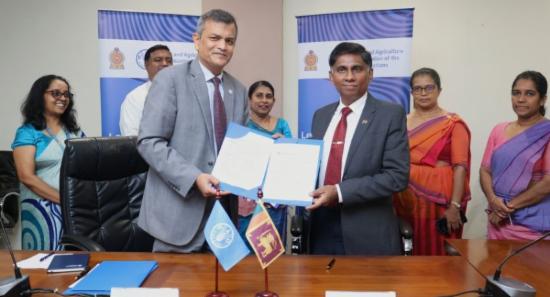
IMF emergency window (RFI) under review: Sri Lanka has requested SDR 150.5 million (US$200 million) in rapid financing to meet urgent dollar needs after Cyclone Ditwah. If approved by the IMF Executive Board, near‑term forex inflows would ease import pressures (fuel, medicines, food) and support the relief program’s execution.
ADB policy‑based loan: US$100 million for Power Sector Reforms & Financial Sustainability (Subprogram 2)—to strengthen utilities, implement cost‑reflective tariffs and accelerate renewables. The funds disburse to the Treasury once effective, supporting the budget while reforms crowd‑in private investment and reduce costly fossil‑fuel dependence over time.
Bottom line: the domestic cash grants sustain demand and kick‑start local supply; IMF/ADB inflows add foreign‑exchange and budget support to keep essential imports flowing and reforms on track—two legs of a single stimulus strategy.
Other Articles


-830541_550x300.jpg)





Featured News



News 1st, MTV Channel (Pvt) Ltd, MBC Networks (Pvt) Ltd, 45/3, Braybrooke Street, Colombo-02.
T.P : +94 114 792 700,
Fax : +94 114 792 733
T.P : +94 114 792 700,
Fax : +94 114 792 733




 |  |  |
|---|---|---|
 |  |  |
 |  |  |
 |

.gif)